

Autism and Down Syndrome Adults
We help you maintain your freedom and independence for better quality of life
KEY CHALLENGES
Understanding the Challenges
Adults living with autism and Down Syndrome (DS) face unique safety challenges that traditional solutions
don’t address.

5.4M
Adults with autism in the US
1 in 45 people over age 18

450%
In adults ages 26-34 over 15 years

37%
Falls Risk Rate
Neurodivergent adults
vs. 25% for people 65+

Increased Risk of Falls & Injury
While symptoms and behaviors differ across the autism and Down Syndrome (DS) population, almost all are at higher risk for falls.
This increased risk is linked to:
- Impaired balance, including postural sway
- Motor difficulties
- Executive function and spatial awareness challenges
- Difficulty assessing environmental factors such as curbs or stairs
- Sensory processing differences, including sensory overload that can cause confusion — particularly in adults with autism
Elopement: A Critical Safety Concern in Autism and Down Syndrome (DS)
In adults with autism and DS, there is an additional safety risk known as elopement.
Elopement occurs when an autistic adult leaves a safe, supervised area without warning, posing serious risks such as:
Common Triggers for Elopement:

Sensory overload (noise, crowds)

Fear and anxiety

Special interests (water, trains)

Seeking quieter environments

Inability to communicate needs

THE THEORA CARE SOLUTION
Advanced AI-Powered Situational Awareness
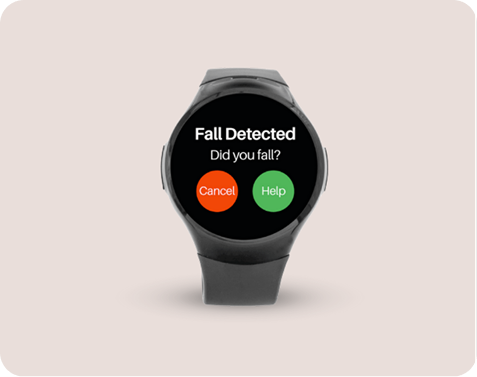
Theora Care™ uses the most advanced technology in AI and Neural Networking to understand your activity and provide data that helps you track not just your steps and other social health information, but also to see where you might be at risk for falling or other walking issues.
BENEFITS FOR NEURODIVERGENT ADULTS AND FAMILIES
Independence, Confidence, and Safety in One Wearable
This is where Theora Care can become a partner to the autism and DS adult, as well as family and other caregivers who want to keep them safe. Many autistic adults seek independence through group home living and while professional staff is there 24/7 they cannot be everywhere you want to go.
But Theora® can.
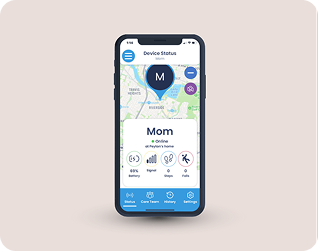
You can take walks, get to a job, enjoy social activities all while Theora keeps track of your location and gives you a lifeline to communicate instantly if you feel fearful, lost or anxious. You are in control and your loved ones or professional caregivers are confident they can connect with you whenever needed.
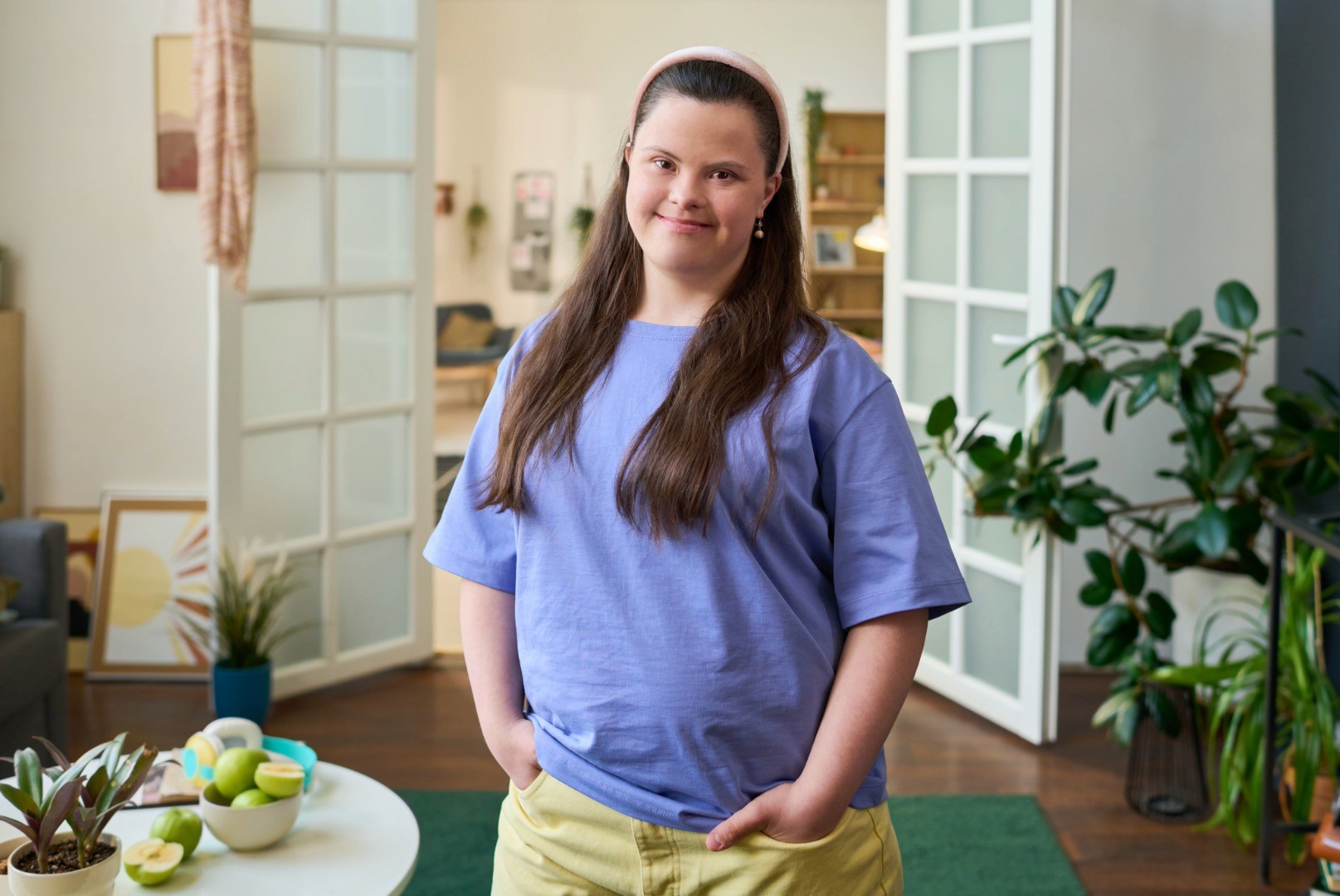
Living With No Fear
Theora Care provides the confidence and real-time situational awareness to meet the “live with no fear” wish that most neurodivergent adults want. You want to explore, to find adventure, to live life fully and we help you do that while also providing no fear for your family or professional caregivers that they can know where you are or communicate with you in emergencies.
Our Theora platform and products are a leading situational awareness tech-driven system that uses information and communication to help you lead the life you want – independent but safe.
Explore freely with confidence
Stay connected in emergencies
Track your activity
Discreet, wearable design
Frequently Asked Questions
My son has autism but he wants to live like all the other 25-year-old young men he knows and they all have Apple watches. How do I get him to wear something different like Theora Connect (which does not allow him to text or do email or other things he can do on Apple?)
We get it that peer pressure when it comes to younger people and brands is tough to beat as a parent. One thought is that too much noise distraction can be unsettling for autistic adults – constant chimes and sounds when an email or text or phone call is sent. With Theora Connect you enjoy the quiet and only get pinged if there is a possible emergency so our watch is better designed for those with neurodiversity sound disturbance issues.
Is there an alert for law enforcement to know if an individual is wearing a Theora Connect smartwatch if they have a special disability or disorder so that they don’t get confused by their behavior (agitation, paranoia or physical aggression for Alzheimer’s; emotional outbursts or resistance to being touched if autistic?)
We work closely with our law enforcement and police partners. Part of our training is to let them know a Theora Connect wearer may have a specific disorder or health issues.