

Wandering is a problem in special populations, but a smart wearable is helping LA County, first responders and families find missing loved ones faster
Written by Sherri Snelling*
A Two-Year Search Ends Sadly
It was a beautiful October day when Nancy Paulikas, age 55 with early onset Alzheimer’s, visited the Los Angeles County Museum of Art on Wilshire Blvd. with her husband, Kirk Moody. Little did Moody know that would be the last day he would see his wife.
As a Manhattan Beach resident, Paulikas lived 35 miles from the museum and was unfamiliar with the area. At some point she became separated from Moody and within minutes, a massive search was underway with museum staff and security also calling in local law enforcement and K9 units to find her. Somehow, she evaded these rescuers and wandered where security cameras from stores along Wilshire Blvd. picked up her image but she may have gotten lost on smaller streets within Beverly Hills that lies at the foothills of a vast canyon area.
It wasn’t until two years later that fireman battling a fire in the canyons near Mulholland and Beverly Glen Drives found her remains. It was presumed she wandered 9 miles from the museum and succumbed to the elements and lack of water and food soon after she went missing.
It Is Not “If” They Will Wander, It’s “When”
Unfortunately, these stories are all too common. Statistics show 60% of people with Alzheimer’s will wander and many of these adults are vulnerable to deadly falls as they become anxious of feeling lost. In addition, people with autism may experience “elopement.” This is when an autistic adult leaves a safe, supervised area without warning, posing significant health risks such as drowning, traffic injury or a serious fall.
Over the years, families and law enforcement have no clues or breadcrumbs to follow to find these vulnerable missing adults. Hours of endless search turns into days, then weeks and months and often ends tragically as in the Paulikas case.
According to the Los Angeles County Aging and Disabilities Department, the population of people aged 65 and older in L.A. is expected to grow from 1.44 million in 2020 to more than 2.32 million by 2040—a 61% increase—according to an analysis of state Department of Finance data by the Public Policy Institute of California (PPIC). As a state, California has the largest number of older residents in the U.S. – 6.3 million people aged 65 and older. The 65+ population is expected to grow by 59%, reaching over 9 million by 2040.
Search and Rescue Benefits from Advanced Technology
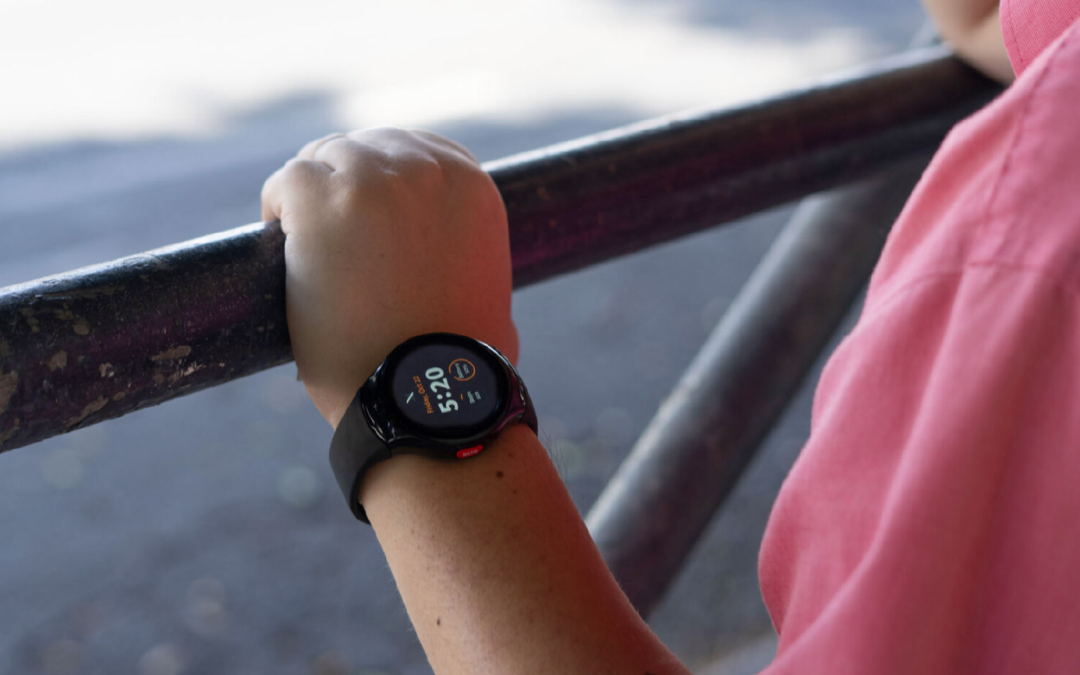
The tragic story of Nancy Paulikas could have ended differently if she had used a smart wearable to help track her location. This is why L.A. Found, part of LA County Aging and Disabilities Department, was founded in 2018 in honor of Paulikas.LA Found now partners with leading situational awareness technology company, Theora® Care, to provide free life-saving smartwatches that use advanced artificial intelligence (AI) and GPS technology.
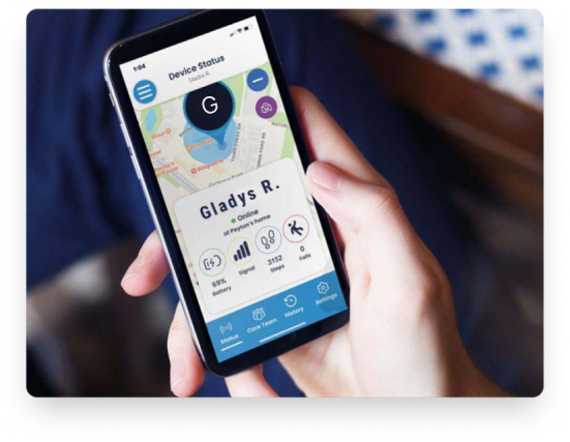
This technology helps first responders and families track a missing person to within 15 feet of their location on the Theora Link Pro™ smartphone app within minutes. It also uses the app to alert family caregivers when Safe Zones™ (virtual geofences that a loved one should not go beyond) are breached. The Theora Connect™ smartwatch also offers hands-free two-way communication called Quik Connect™ to connect with the loved one to assure them help is on the way as well as automatic SOS calls if the wearer is unresponsive.
The advanced AI and neural networking technology can detect falls with high accuracy. High accuracy in fall detection and wandering gives the wearer and their caregiver confidence in maintaining quality of life and peace of mind.
In October 2025, almost 10 years to the day that Paulikas went missing, L.A. Found announced its partnership with Theora Care on LA Found Day. The partnership includes free smartwatches and monthly service to help families who have loved ones with Alzheimer’s, autism or other disabilities.
At the event, Maral Karacussian, founder of L.A. Found and interim director of the County’s Aging & Disabilities Department, said, “The program [with Theora Care] provides free life-saving bracelets and proven technology that help first responders quickly find those who go missing. These new GPS smartwatches are not only helping find people who wander and go missing, they are giving priceless peace of mind to their caregivers and loved ones.”
Living with No Fear
According to research from the American Psychological Association, staying mentally and physically active can help preserve cognitive function, lower the risk of Alzheimer’s and support overall health. Moderate exercise is not only good for memory as people age, it also appears to help prevent the development of physical signs of Alzheimer’s, known as biomarkers, in those who are at risk for the disease.
However, many older adults live in fear of falls which happens to 1 in 4 adults over age 65 according to the CDC. This fear can limit their desire to stay physically active. As well, those diagnosed with dementia or Alzheimer’s are fearful of remaining independent and having the ability to still do activities and things they loved to do without the fear of wandering off and becoming lost.
Theora Care launched a social media campaign in 2025 called “Theora No Fear” that speaks to the active independence and need for freedom that older adults seek. While the statistics on falling and wandering are real, the ability to adapt lifestyle through the use of technology to maintain an older adult’s dreams is the solution needed. Check out more about the No Fear campaign.
Kirk Moody, Paulikas’s husband, said at the LA Found Day event, “I hope that no one has to suffer the feeling of helplessness that we encountered when my wife Nancy went missing.”
Karacussian added, “This program is evolving to meet the need of more families. Behind every feature and every device are people – families doing their best – and our job is to support them.”
*Sherri Snelling is a corporate gerontologist, author, and Founder/CEO of the Caregiving Club. Her expertise is in family caregiving, Alzheimer’s/brain health, and neuro design for the home.
Written 27 May 2026