

By Shelley Symonds, CMO of Theora Care
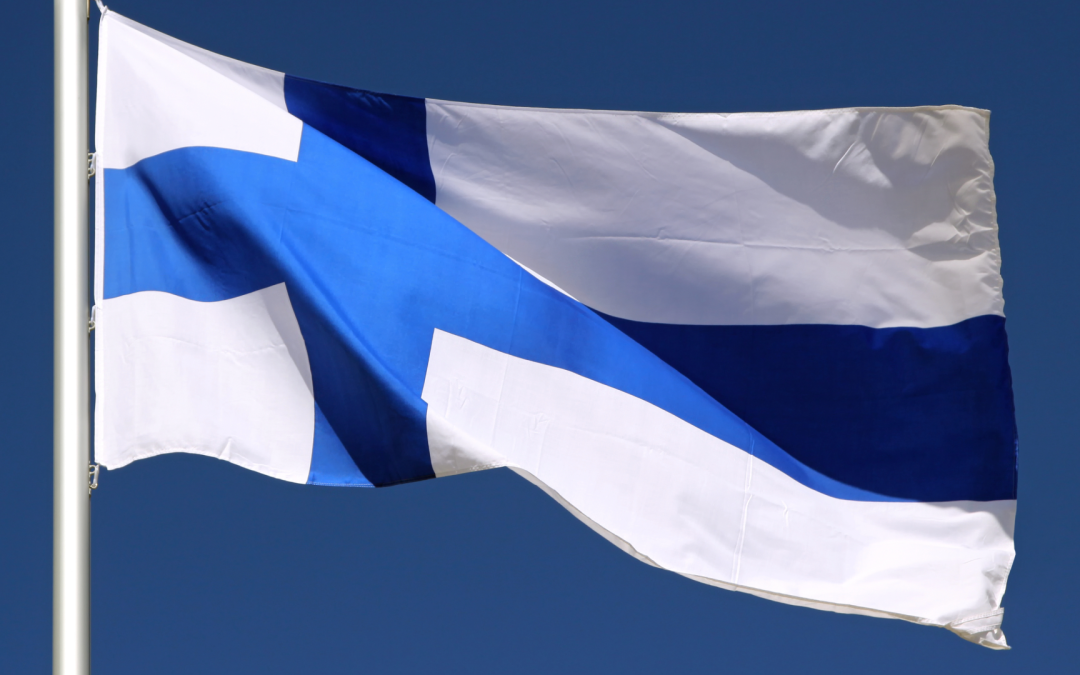
When Finland announced it was cutting mandatory care home staffing ratios, effectively replacing the equivalent of 800 human caregivers with AI systems and remote sensors, the world took notice. Some called it visionary. Others called it a warning sign. For the families and caregivers we work with every day, it raises a question that hits much closer to home: how much can technology really do, and where does it fall short?
The answer matters. Not just in Helsinki, but in every independent living community, assisted living facility, and family home across the United States.
What Finland Is Actually Doing
In March 2026, the Finnish government moved forward with plans to save €51 million by reducing mandatory staffing ratios in care homes from 0.7 to 0.6 caregivers per resident. The gap left by those 800 workers is intended to be filled by AI-driven monitoring, remote vital sign tracking, and sensor-based alert systems.
Minister Wille Rydman has framed this as a technological evolution, a modern solution to a caregiver shortage that is not unique to Finland. He is not wrong. Finland, like most of the developed world, is aging faster than its workforce is growing, and the math of traditional staffing models simply does not hold up long-term.
But here is where many families feel their stomachs drop: the word “replace.”
Technology Can Watch, But It Cannot Hold a Hand
Every caregiver, family member, and care professional knows this from lived experience: the most meaningful moments in elder care are not the ones that show up on a dashboard.
Caregivers provide deeply personalized care. They see changes precisely because of consistent, ongoing relationship. Theora Care values the human connection and has built an AI monitoring system designed to enhance caregiver insights with data collected around the clock. The caregiver and the resident remain at the center. Technology is the support system around them.
And that support can be genuinely powerful. Remote monitoring surfaces patterns in sleep, movement, and wellness that even attentive caregivers might miss. GPS-enabled wearables give families real-time peace of mind when a loved one with dementia leaves a designated safe zone. AI-powered fall detection closes the gap between an incident and a response.
But there is a meaningful difference between technology that amplifies human care and technology that replaces it. Finland is testing just how far that line can be pushed, and the whole world is watching.
The Staffing Crisis Is Real, and So Are the Tradeoffs
We want to be honest: the shortage of caregivers worldwide is severe, and standing still is not a neutral option. A care system stretched thin by understaffing, with burned-out workers and inadequate response times, is also a system that fails vulnerable people.
The question is not whether technology should play a role in care. The question is how much of the human element we are willing to trade for efficiency, and who bears the cost of getting that calibration wrong.
For older adults living with Alzheimer’s, dementia, Parkinson’s, or other conditions that affect cognition and mobility, getting that calibration right matters enormously. Social isolation is not just emotionally painful; it is clinically dangerous. Studies consistently show that reduced human interaction accelerates cognitive decline. The emotional and social dimensions of care are not “extras.” They are medicine.
Three Questions to Ask About Your Loved One’s Care
Finland’s experiment is a signal to ask more of your loved one’s care community, not out of fear, but out of informed advocacy.
Is monitoring technology supporting existing staff, or justifying fewer of them? There is a meaningful difference. The best care communities use tools like Theora Care’s monitoring applications and smart wearables not to cut staff, but to give caregivers better situational awareness so someone covering a larger wing is notified the moment something changes, rather than waiting for a scheduled check-in.
Does your family have real-time visibility into your loved one’s safety and daily patterns? When a resident wears a Theora Connect wearable, their care team gets real-time location and behavioral data that helps prevent falls and wandering before they happen. And families get peace of mind from thousands of miles away.
Does your loved one still have consistent human contact? People who know them by name, know their routines, and notice when something feels off. Technology can track a heartbeat. It cannot replace a conversation.
The Model That Actually Works
At Theora Care, our north star has always been that technology should give professional and family caregivers more capacity to care, not a reason to care less. Care staff, rather than being replaced, should be freed from reactive crisis management to spend more time on the relationship-based care that no sensor can replicate.
Not AI instead of human presence. AI that makes human presence more effective, more informed, and more sustainable.
Finland’s experiment will shape care policy across Europe and beyond for decades. In the meantime, the most important question is not whether your loved one’s care community uses technology, it is whether that technology is in service of better human care or a substitute for it.
Those answers will tell you more about the quality of care your loved one is receiving than any staffing ratio ever could.
Theora Care brings situational awareness to caregiving with useful, intuitive technology designed to support human care, not replace it. Learn more at theoracare.com.