

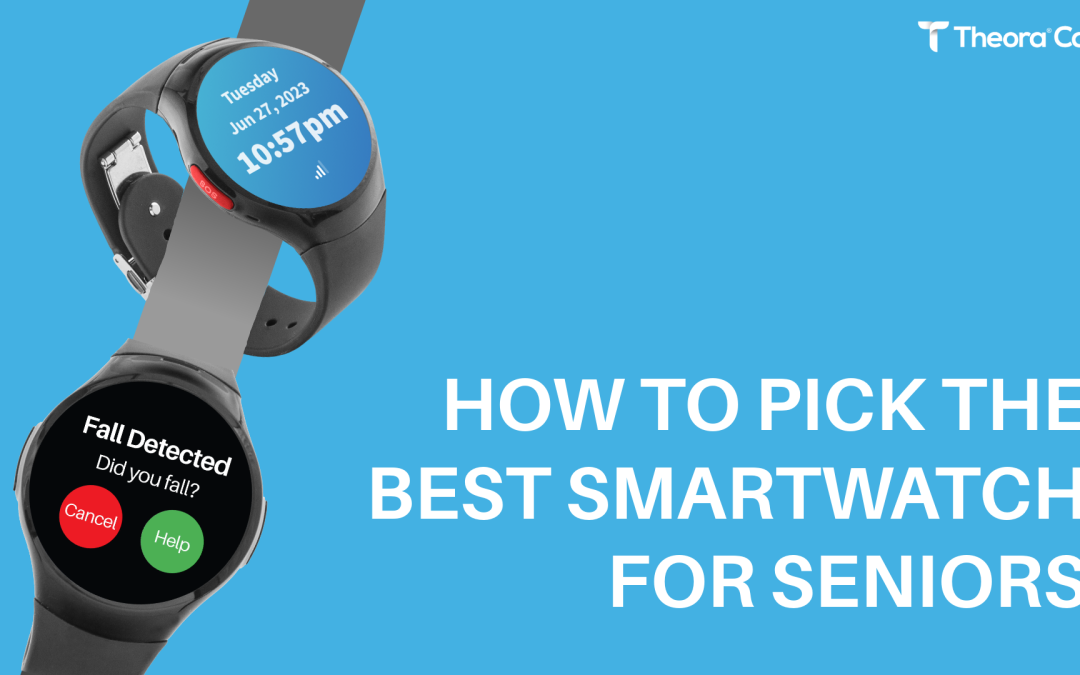
Overview of options and their design purposes
So many options exist now for wearable devices for seniors; you might consider these questions before making your purchase:
1. Why am I purchasing this device, or what problem am I trying to solve with the smartwatch?
2. What features am I hoping to have?
3. What results am I hoping for from using the watch?
Why do you or your loved one need a smartwatch or smart wearable?
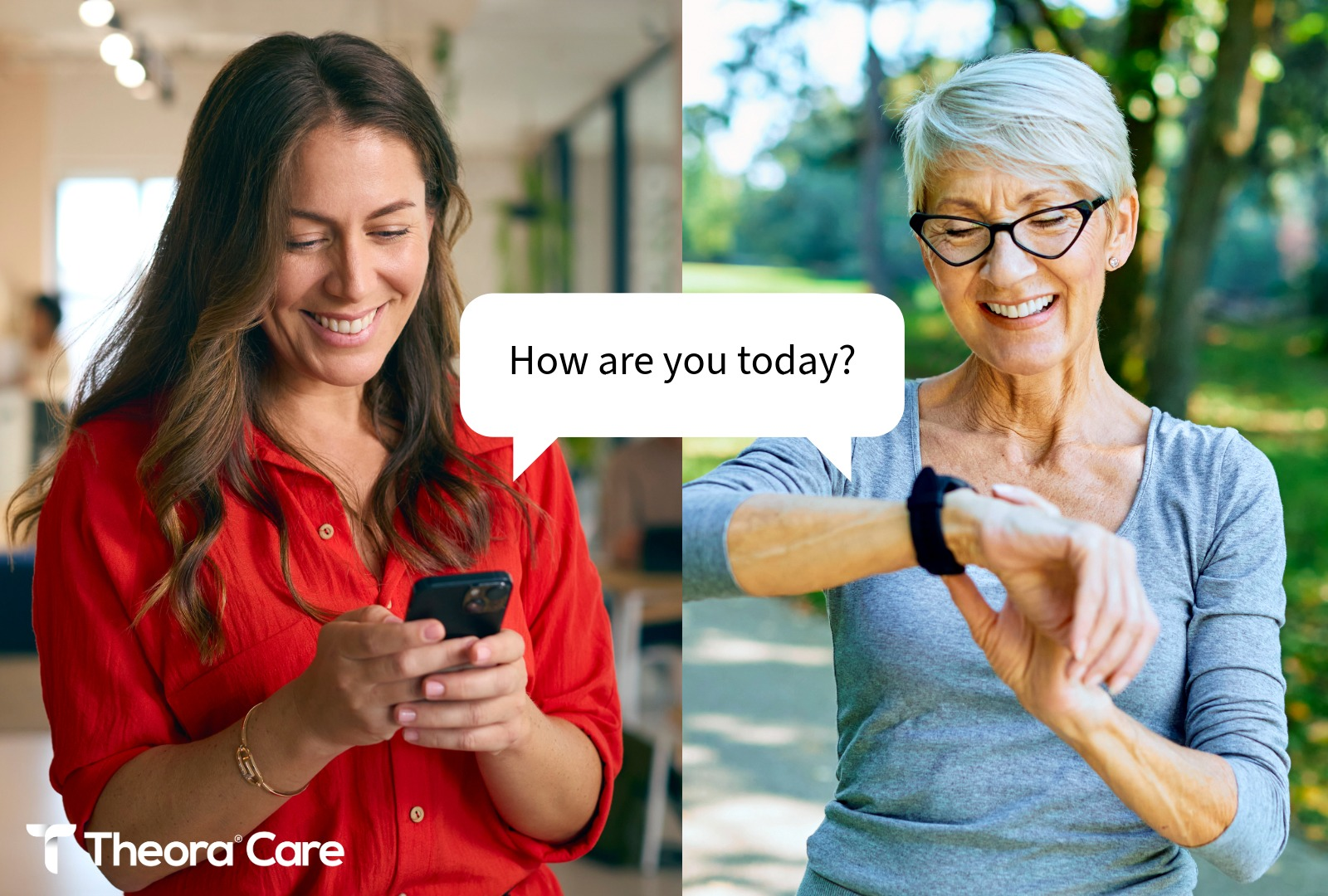
Many family caregivers or adult children want to stay in contact with their older loved ones, and technology can be a wonderful bridge. Whether they simply want to socialize regularly and are hoping to ensure they can contact their loved one, give a useful gift for a special occasion, or are a stressed-out family caregiver who realizes they need help with their older loved one’s care, a smartwatch can be a wonderful solution. Many seniors choose smartwatches for their multipurpose convenience. In addition to being a timepiece, smartwatches can come with a variety of features that enhance daily life.
Why do you or your loved one need a smartwatch or smart wearable?
Smartwatches
Many turn first to the smartwatches they know – Apple iWatch, Google Pixel, Samsung Galaxy. These are fine for general-purpose use but may have some limitations for older persons. Some of these watches were designed as partners to a smartphone (which means carrying two devices), but some with a higher price point may function as standalone communication devices.

Athletics or activity trackers
These watches were designed to track physical activity with precision and tend to have higher resistance to water and dirt. But they typically don’t have geofencing or voice communications for instant connectivity. On the plus side, because they focus on fitness tracking, they can be less expensive and provide a lot of fitness data. Examples are Garmin, Fitbit, and WHOOP
Caregiving and senior support
People are moving on from pendants and emergency wristbands to smartwatches specifically designed for seniors and their families. These watches were purpose-built with the needs of seniors, their families, or professional caregivers in mind. They usually provide fall detection, GPS location, geofencing, and SOS or emergency calling as well as timepieces.
For a more extensive comparison on caregiving watch brands, check out the National Council on Aging’s “best Medical Alert Watches of 2026” article here. (https://www.ncoa.org/product-resources/medical-alert-systems/best-medical-alert-watches/)
Smartwatches are a great resource to stay connected, track or support health and fitness, or for data-driven peace of mind and caregiving support. For many healthy older adults, a standard or fitness smartwatch is a great option. However, if you have a loved one who is over 70 or finding they are not as stable on their feet as they used to be, a caregiving watch is a great resource that is best implemented earlier rather than later. Caregiving watches can be enjoyed by the wearer as a standard smartwatch, but they afford family or loved ones improved peace of mind knowing they are connected and informed just in case.
What features are you hoping to have?
Once you have identified why you are looking for a smartwatch, the answer to your question will inform what features are most important to you. Here is a list of features that we have found many other caregivers have found helpful in a smartwatch.
Fall detection: 1 in 4 older adults will fall; so whether your loved one has fallen or you just want to be prepared, fall detection is a must-have for a smartwatch for seniors. Highly accurate AI-powered smart fall detection can customize its detection to the wearer’s normal height and gait. For example, a soft fall of a 5’2” person on a bathroom floor is very different than a 6’4” person onto a sofa, but both can cause injury and should be detected based on that person’s fall detection data. Our watch looks at what happened before, during, and after a fall to minimize false positives.
Wandering alerts and GPS location: Knowing where your loved one is located can be a comfort. For caregivers, GPS location can go beyond simple location changes to alerting them that a loved one is lost or wandering. Using geo-fencing can provide insights into whether your loved one is having a normal activity day or not.
Alerts and notifications: Emergency alerts, silent mode overrides, calling, location changes, battery and status change notifications are some of the options you can look for in your smartwatch for a senior. Investigate whether the watch you are interested in has all of the types of notifications you may need.
Calling: Being able to communicate with your loved one is awesome for maintaining your relationship, checking in when you see an alert, and being there for them when they need you. Most smartwatches require the user to initiate or answer the call; only a few watches will auto-call if it detects a severe fall or crash or have auto-answering features if the user can’t or isn’t answering.
Another thing to consider: if you or your loved one is concerned about receiving scam or spam calls on their watch, some watches have safety features so they receive calls only from a list of trusted callers.
Cell service: Cell service enables the wearer to use the watch anywhere. Make sure the watch is certified on one of the major networks, e.g. AT&T.
Activity and location tracking: Most smartwatches come with some level of activity and location tracking. Based on your loved one’s activity level and need for specialized activity tracking, such as swimming or weightlifting, these factors can determine which watch is the best fit. The more specialized tracking or water-resistant a watch is, the more expensive the watch tends to be. If your loved one will be wearing their watch to shower, a water-resistant watch will be sufficient.
Purpose-built: Many older adults with cognitive impairment caused by Alzheimer’s or dementia can struggle with complicated technology. Keeping things simple and functional without sacrificing beautiful design can make a good watch work for you and your loved one long-term. If an important app is buried beneath layers of swipes or a series of memorized actions, people with short-term memory loss can find it incredibly challenging to use. Clear design, like a red external SOS button, can make a huge difference in someone getting the help they need when they need it.
For individuals without cognitive impairment, ease of use will be determined by your preferred technology brand. If you have an iPhone, then you might find that something like an Apple iWatch is more intuitive even though it requires an iPhone to set up and use; the same goes for Samsung, which requires an Android phone or a Google Pixel watch and phone pair. Keep in mind that non-brand-specific watches generally work great with a variety of companies, and some like the Theora Connect work independently as cellular devices while the caregiver smartphone app works on either Apple or Android smartphones.
Follow-up questions
1. Can the technology help me find my loved one in the event of a fall or wandering?
1 in 4 older adults will experience a fall, and 60% of older adults living with Alzheimer’s disease and dementia will wander. Having a device that they can wear 24 hours a day ensures that falls or wandering are caught immediately. Phones, pendants, clip-ons, and other designs can easily be left behind, removed, or inaccessible. A smart watch is an ideal option for those who want around-the-clock peace of mind. In more advanced cases of Alzheimer’s or dementia, a watch with a non-removable clasp can prevent the watch from being removed and left behind by the wearer. Theora Connect, unlike traditional smartwatches, which were designed for general use, can be ordered with a locking clasp that prevents removal by the wearer.
2. Is this a watch my loved one or I will want to wear?
Simply put, if it’s beautiful, comfortable, personalized, and easy to use, then whoever is the intended wearer will actually be excited to put it on every day.
3. What if my loved one doesn’t answer their smartwatch when I call?
Having a loved one not answer a call, whether for a routine check-in or a wellness check, can be a bit nerve-wracking if there is a history of illness, injury, or wandering. Some useful features to look for in a smartwatch for seniors include being able to control the ringtone volume from your phone and having automatic answering call features so you can talk without them needing to accept the call.
4. Can a smartwatch help me care for my older parents?
While a smartwatch can not physically meet the caregiving needs of an older loved one, the data it provides about behavior, location, and health can help ease the caregiving fatigue that comes from 24×7 in person monitoring and inform caregiving decisions. There are a lot of caregiving support tools that you can look for using everyday health monitoring data.
For example:
- Fall detection can provide peace of mind knowing you will be the first person that’s called if a fall occurs and can make the medical decisions necessary together.
- Auto-answering can keep you connected to an older loved one who has hearing impairment or who leaves their phone at home.
- Step count and location tracking can show changes in mobility and can inform the frequency of in-person check-ins or a need for additional care
These are just a few ways health data can support caregiving needs and decrease caregiving burden. A smartwatch is a great way to provide support to parents through a tool that they can also enjoy. Peace of mind for both of you!
There are a lot of factors to choose from when selecting a smartwatch for a senior. What each person is looking for in a smartwatch is incredibly personal. We hope that some of the questions we presented today could help you get closer to figuring out what smartwatch will be the right fit for you or your loved one.