

ADAPT, don’t stop doing what you love
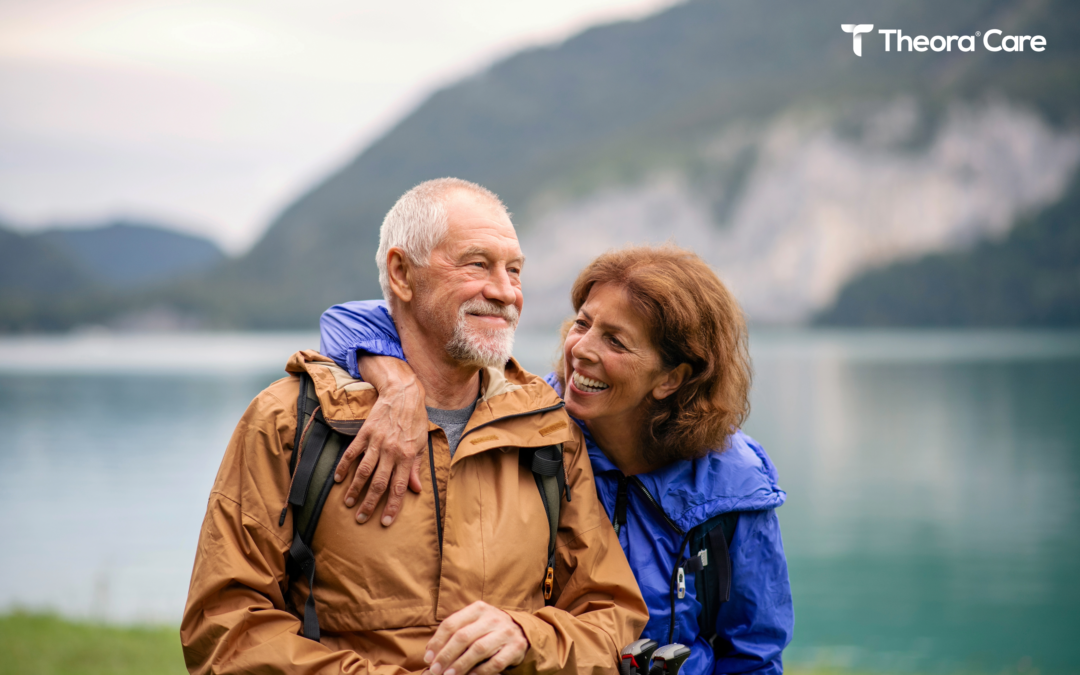
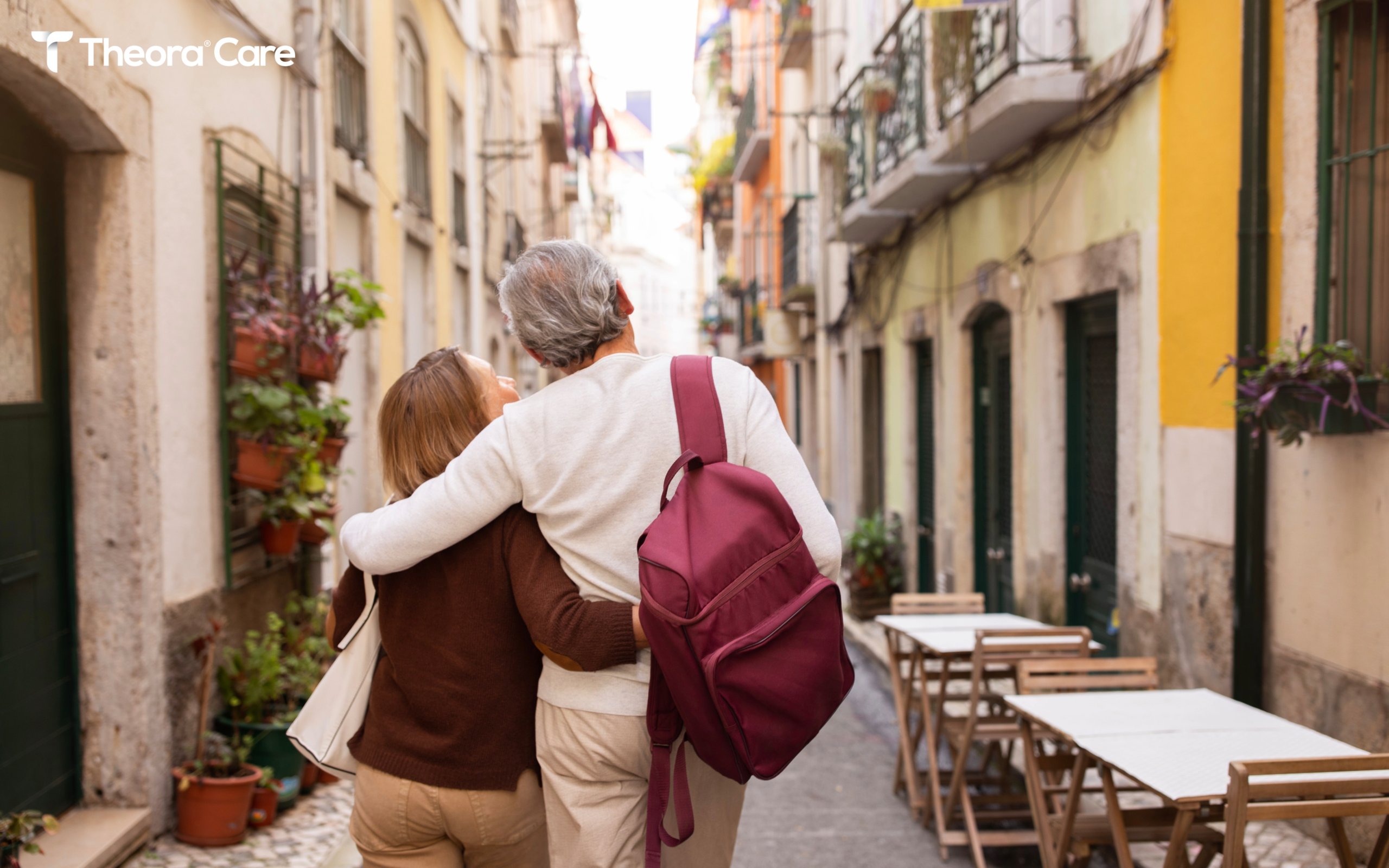
A recent Wall Street Journal article titled “Dementia doesn’t have to be the end of travel” is a great piece on “taking to the road to chase joy before an advancing disease makes trips impossible”. It tells the story of several families who have traveled with great success. (We’d link to the article, but it’s paywalled.)
It’s about Quality of Life
We have lots of families who care for loved ones with dementia, and we’ve seen that living the best life you can while adapting to your needs is extremely important for longevity and quality of life. It’s also backed by studies like this; yet this interesting study shows how difficult it is for caregivers of people living with dementia to find for travel that is dementia-friendly. While there is a growing market need, it is not a focus today for the travel industry.
So, how does one do it? In short, ADAPT, don’t stop doing what you love. If you love traveling, keep at it but add in all the assistive technology you can.
Practical advice…
The WSJ article has some excellent practical advice for who with dementia will travel best, dementia-friendly travel operators, and adding friends and family to help out. There are many things you can do to make a trip more successful so that persons with “mild dementia return from meaningful trips happier, more engaged and with wonderful memories shared by their families.” That extends the person with dementia’s quality of life and even longevity.
… but there’s more to think about
We applaud all the great advice in the article but want to add one more piece of advice – add technology solutions when traveling. This is a simple way to ensure both the traveler and their family caregivers don’t have to worry about a loved one wandering away or becoming unreachable in unfamiliar locations. Technology like our smartwatch enables families to not only set geofences on the fly in as many locations as needed but also communicate with their loved one without the need for them to have a phone or hear the call ringing. For example, set a Safe Zone for the hotel, the sightseeing destination, or the restaurant and get alerted when your loved one enters or exits the location perimeter.
Peace of mind, and others can help
If someone leaves a Safe Zone geofence, travelers can immediately connect with their loved ones. With our Quik Connect, the loved one doesn’t even have to answer the watch to be in communication with their caregiver. Bonus points if there is a good Samaritan helping your loved one – you can talk with them too! We have heard many times from our customers that people have helped them keep their loved ones safe while they come to get them.
We all use technology now when we travel (Google Maps, anyone?). Why shouldn’t we use technology when we build great travel experiences for our cognitively impaired loved ones? “Fear,” as Rick Steves likes to say, “is for people who don’t get out very much.”
So, get out and use all the adaptations you want to live your life with No Fear. We’d love to help with our technology – check it out here.